

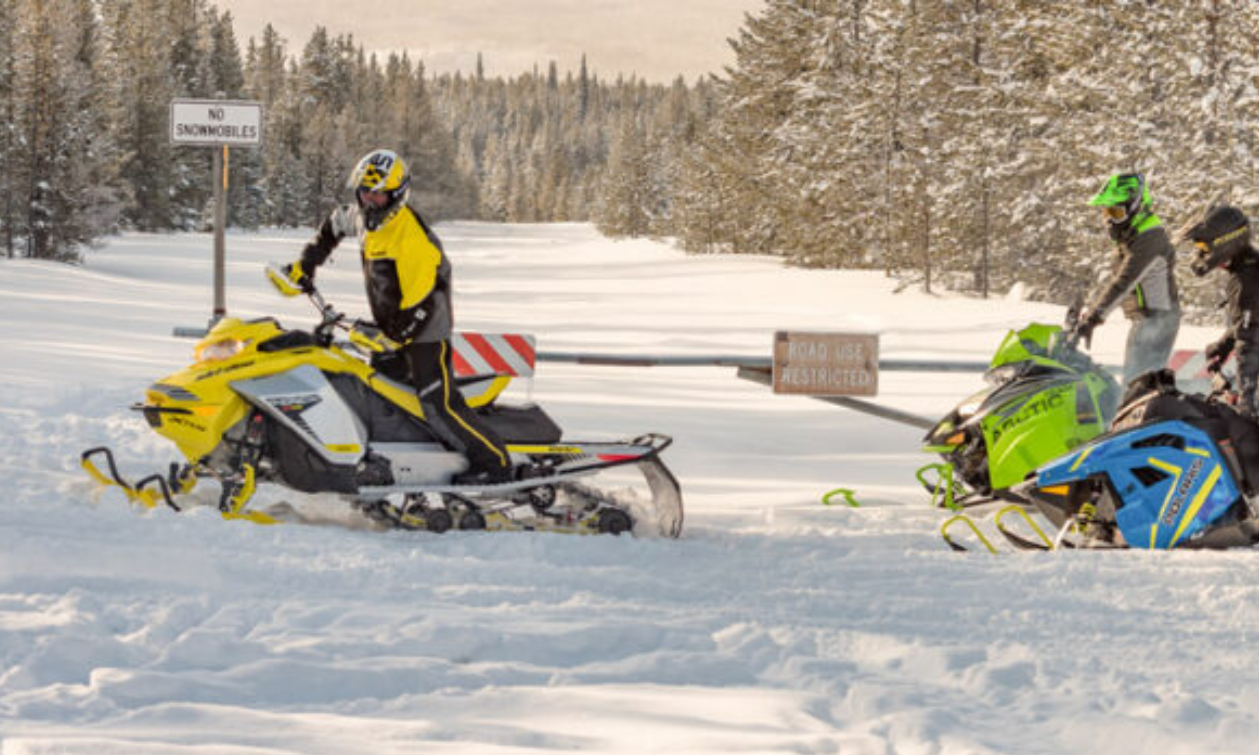

The recreational and commercial use of off-road vehicles (ORV) continues to grow in British Columbia and there is an ongoing need to promote their safe, responsible use. The Grasslands Conservation Council of British Columbia (GCC) recently updated its guidelines for ORV use on grasslands and produced a summary in a pocket-sized G.R.A.S.S. brochure. These guidelines were developed in collaboration with the following ORV organizations: Quad Riders ATV Association of BC, BC Snowmobile Federation, Four Wheel Drive Association of BC and BC Off-Road Motorcycle Association.
G.R.A.S.S. Campaign
The Grasslands Conservation Council of British Columbia promotes the responsible ORV use in grasslands through its G.R.A.S.S. campaign:
G – Go Prepared
R – Ride Responsibly
A – Avoid Sensitive Areas
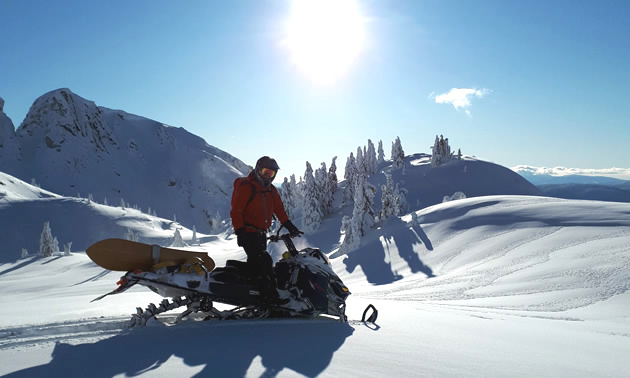
S – Snowmobile on Deep Snow
S – Stay on the Trail
Go Prepared
- Obtain maps and information from public agencies before you leave home; know the location of designated riding areas and trails
- Know how to operate your vehicle safely and take outdoor travel essentials
- Park, stage and re-fuel in designated parking areas or turnaround sites
- Always check for fire hazard closures and have a fire extinguisher available
- Keep your vehicle properly tuned and muffled to reduce noise
Ride Responsibly
- Do not cross private land without permission and stay off hayfields and forage crops
- Leave gates as you find them, and do not scare or make cattle or wildlife run
- Remove seeds and vegetation from tires, vehicles, clothes, and footwear after riding to prevent the spread of invasive plants
- Keep dry vegetation away from exhausts and engines to prevent fires
- Accelerate slowly to avoid spinning wheels and damaging the soil
Avoid Sensitive Areas
- Avoid wetlands and riparian areas because they are important for controlling the flow of water over grasslands and are easily damaged
- Rock bluffs, talus slopes, silt cliffs and hoodoos are also important areas for many rare and endangered species
- Do not disturb or damage First Nation cultural sites, such as petroglyphs, or pick plants used for traditional purposes
Snowmobile in Deep Snow
- Only snowmobile where snow is >12” to avoid crushing, freezing or uprooting native grassland plants, compacting the soil, or spreading weeds
- Stay on managed or established trails,
- or within designated areas
- Avoid spilling fuel or oil while travelling over frozen waterways to prevent damage in the Spring
Stay on the Trail
- Go over, not around, obstacles to avoid widening the trail; cross streams at designated fords, and when possible, avoid wet, muddy trails
- Do not create switchbacks, shortcuts, or new paths that others will follow
- Stay in the middle of trails and avoid trails narrower than your vehicle
- Prevent erosion by avoiding trails on steep slopes and in wet or muddy areas